Oversight in your inbox
Weekly newsletter and updates

POGO’s experts push policymakers to enact commonsense reforms that tackle waste, corruption, and abuse of power; hold those who’ve violated the public trust accountable; protect our constitutional rights; and make the government work for all people.
The White House will soon issue a proposed rule for implementing President Obama’s Fair Pay and Safe Workplaces Executive Order. The order will save money and protect millions of workers, but it faces strong opposition from contractors.
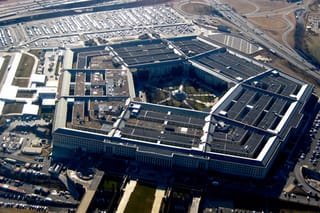
Recent actions by the Pentagon justify the public's concern that the government is not being completely forthright about what's happening in Afghanistan.
A bill in New Mexico's House of Representatives would, if passed, amend the State's laws and curtail protections of whistleblowers by modifying various definitions and adding new requirements before employees can bring an action against their employer.
During Sunshine Week, the week that we celebrate the open government initiatives and progress of the government, over 20 bipartisan organizations ask the Obama Administration to demonstrate a commitment to more transparent government.
In an effort to know more about federal contractors who influence elections, 50 groups have signed on to a letter urging President Obama to tackle the issue of secret political spending that can result in corruption in federal contracting.
Documents obtained through the Freedom of Information Act reveal new insights into the federal government's contractor and grantee misconduct database.
Six years into your presidency, and five years after the Supreme Court issued its tragically misguided ruling in Citizens United v. FEC, we’re now living in a Wild West campaign spending world.
Operating in the dark could make the NSA and other intelligence agencies prone to fraud and corruption. Labor overcharging by contract employees of the NSA might only be the tip of the iceberg.

Pratt & Whitney won’t tell the Air Force how much it charges commercial companies for its aircraft engines, which means the federal government has no idea whether it’s getting the shaft.

Overcharges for weapon spare parts continue to be the most obvious area of Pentagon waste, which will continue until Congress's acquisition reform efforts include updating the definition of commercial items.
The military's approach to solid waste disposal in Afghanistan was “haphazard and reactive,” not to mention health-endangering, according to a new report.
Below is an assessment of the total national security spending budget, including $417.4 billion not typically discussed as part of our national defense budget proposal.
Weekly newsletter and updates