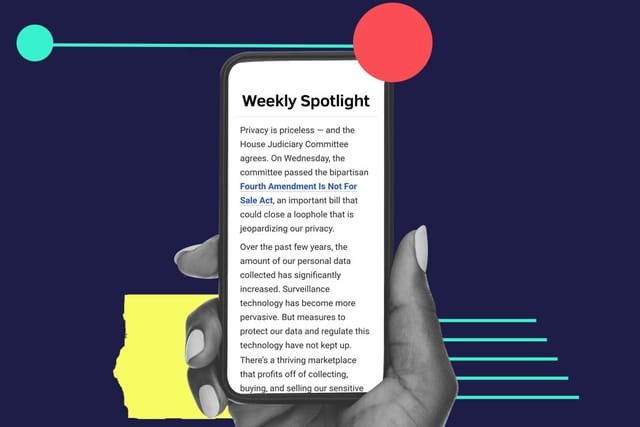
Weekly Spotlight: The damage can be undone
The surveillance machine 25 years later, accounting for the Iran war, the ripple effects of Pentagon firings and a census miscount.

A Note from POGO: On the 25th anniversary of 9/11, let us never forget the lives lost and the aftermath that left us devastated. Our hearts are with those who continue to mourn and with those whose lives were irrevocably changed.
Twenty-five years later
(Photos: Getty Images; Illustration: Leslie Garvey / POGO)
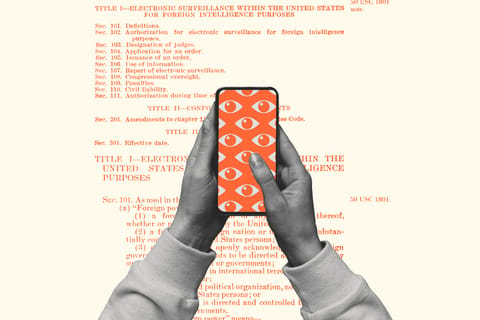
The massive expansion of surveillance powers after 9/11 set the foundation for the modern surveillance state. Every administration since has built upon this foundation, eroding norms and compromising the civil liberties enshrined in the Constitution. Fast forward to today, and surveillance is sweeping and indiscriminate — and outsourced. Law enforcement agencies like ICE, Customs and Border Protection, and the FBI (and even agencies you wouldn’t expect, like the IRS and the Pentagon) are buying information about ordinary citizens from private companies who do the spying for them. The 25th anniversary of 9/11 comes at the peak of a rare public reckoning over mass surveillance. We can and should be using this momentum to push for privacy reform, like finally closing the data broker loophole. The surveillance state isn’t a given. The damage can be undone.
- TAKE ACTION Email Congress: Close the data broker loophole Because of a loophole in law, agencies think what they're doing is legal. And it continues as long as Congress allows it to. Demand that they close it.
- 25 years after 9/11: Debate over govt surveillance powers persists (The Center Square)
- ANALYSIS We Built a Surveillance State. What Now? Our information footprints are already enormous, but they may be outstripped by the government’s desire and ability to collect intimate details about the who, what, when, where, and how of our personal lives.
- Artificial intelligence has the capacity to make matters worse. Take Anthropic, an AI company that is building a surveillance system to track its dissenters.
The cost of the Iran War, today and tomorrow
(Photos: Getty Images; Department of Defense; Illustration: Leslie Garvey / POGO)
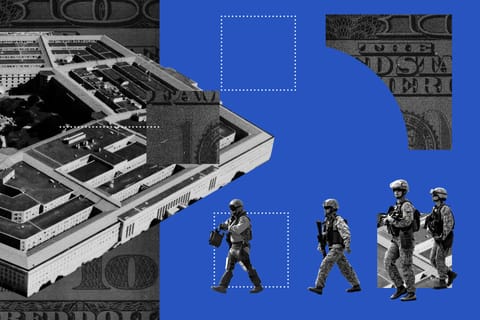
Back in July, Secretary of Defense Pete Hegseth estimated that the Iran war had cost $37.5 billion so far. He was almost certainly underplaying the costs; independent sources estimated that the war, at that point, had likely cost more than $100 billion. Two months deeper into the war now, we do not have an updated accounting from the administration. In a column for Forbes, POGO’s Bill Hartung examines the true price of this conflict, which we will be saddled with for decades to come: the dollars and cents, the damage wrought, and the human costs. Read more in Forbes.
- Stateside: Iran War is costing Americans $100B in extra energy costs (The Independent)
What is lost in Hegseth’s firing frenzy

(Illustration: Ren Velez / POGO)
The Defense Secretary has presided over at least 25 senior leaders who were “fired or forced out or have retired” from the Pentagon since the start of his tenure. He’s blocked the promotion of at least 45 other officers, the majority of whom are Black or female. Last week, Army Secretary Dan Driscoll resigned from his post, reportedly in part due to months of tension with Hegseth over the firings. A vacuum of experienced, senior leadership at the Pentagon will have “untold ripple effects,” POGO’s Virginia Burger told The Daily Beast. “As more and more respected senior leaders are either fired or depart of their own accord, it will unquestionably lead to doubts about the validity of the decisions of those at the top.”
- Dig Deeper: Dark Reality of Pentagon Pete’s Purge Exposed by Insider (The Daily Beast)
The ripple effects of a miscount
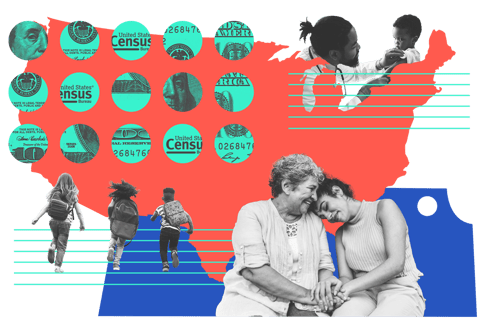
The Trump administration wants to change how it runs the census, and the proposed changes could reshape voting maps and exclude millions. This is yet another move in the administration’s multifaceted push to politicize voting ahead of the midterm elections. But meddling with the census won’t just affect voting. The national head count is used to determine how trillions of dollars in federal funding are distributed across the country. These are your taxpayer dollars. A miscount could mean fewer financial resources provided by the government to communities that need it, under-resourcing those communities for a whole decade.
- REPORT Census Matters: Why an Accurate Count Is Essential to Funding Our Communities: The census directs trillions of dollars to federal programs across the country. Here's what census-directed spending looks like in your state.
- Dig Deeper: Understand how the census shapes funding for rural communities, children, and seniors through our series of reports.