Ensuring an Accurate 2030 Census
The Problem
Mandated by the Constitution, the U.S. census is a primary way our government learns about the people it serves. It tells us how many Americans live in urban centers and how many in rural areas, how many children or elders are in our community, how many families live below the poverty line, and more.
The information collected by the census determines your community’s representation in Washington. It also determines how much federal funding flows from the federal government into your community — and where in your community that funding goes. We’re collecting data on how census funding reaches our communities to support efforts to ensure an inclusive, accurate 2030 census.
Did you know?
-
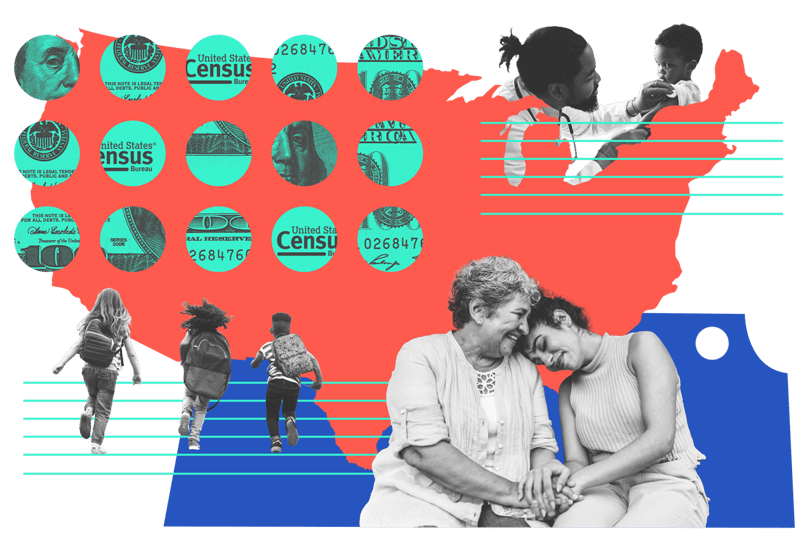
A 2023 report found that the census helps determine where roughly $2.8 trillion in federal spending goes each year.
-
Nationwide, the Census Bureau estimates that roughly 1 in 20 young children were not counted in the 2020 census. These undercounts can lead to significant funding gaps for communities.
-
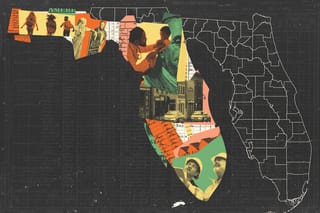
Roughly 750,000 Floridians were not counted in the last census. Over the next decade, experts say, this undercount could cost the state anywhere between $11 billion and $21 billion.
What's at Stake?
Undercounts Risk Funding for Schools, Health, Housing, and More.
Communities where children were undercounted will likely receive less funding for health, education, and housing programs, which often use the number of households with children as a criteria when distributing funding.
Overcounts Can Also Cost Communities.
For rural communities, for example, overcounts could lead to reclassification, so the federal government ends up funding programs designed for urban areas rather than what the community actually needs.
Medicare and Medicaid rely on accurate data.
We spend over a trillion dollars annually on Medicaid and Medicare. These programs provide millions of people with health insurance and assistance in paying for medical services, prescription drugs, surgeries, hospital stays, and more.
Related Content